How I Built a Photography Studio in My Toronto Condo (And It Actually Works)
If you think you need a big studio to start photography, you really don’t. I used to think the same thing. I thought I needed a full space, expensive gear, assistants, all of that. But I didn’t have any of it. What I had was my condo in Toronto, a light, a backdrop, and honestly just the decision to start anyway.
And now I shoot branding sessions, portraits, and product content in that same space.
So if you’re waiting for the perfect setup, this is your sign to stop waiting.
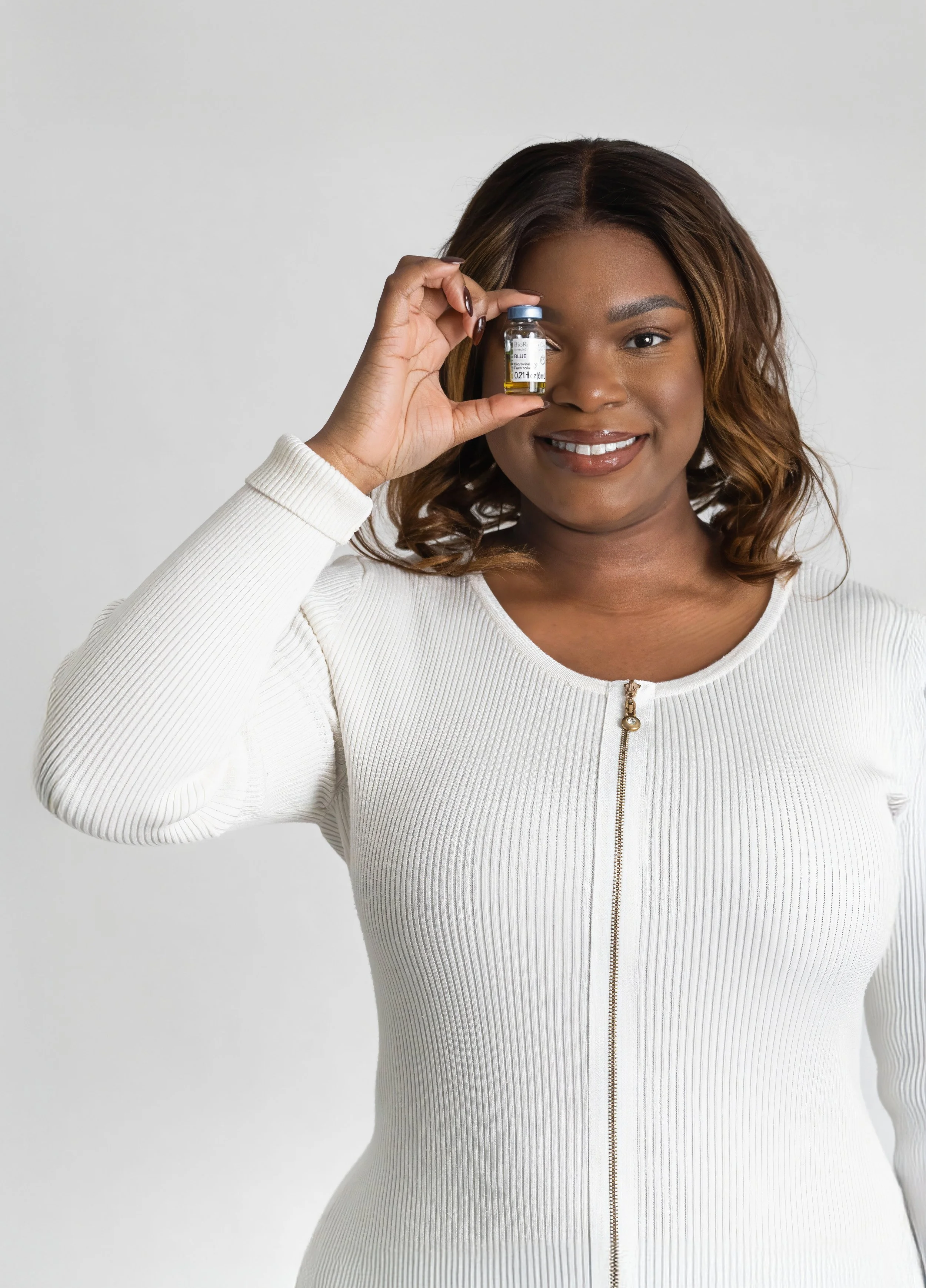
The reality no one tells you
People online make everything look so polished and intimidating. Big studios, perfect lighting setups, multiple assistants running around. It makes you feel like you’re not ready yet.
But the truth is, none of that is what actually makes a good photo.
What matters is how you see light, how you guide people, and how you create a space where someone feels comfortable being photographed. That’s it. Your client doesn’t care how big your studio is. They care about how they look and how they feel during the shoot.
I learned that very quickly.
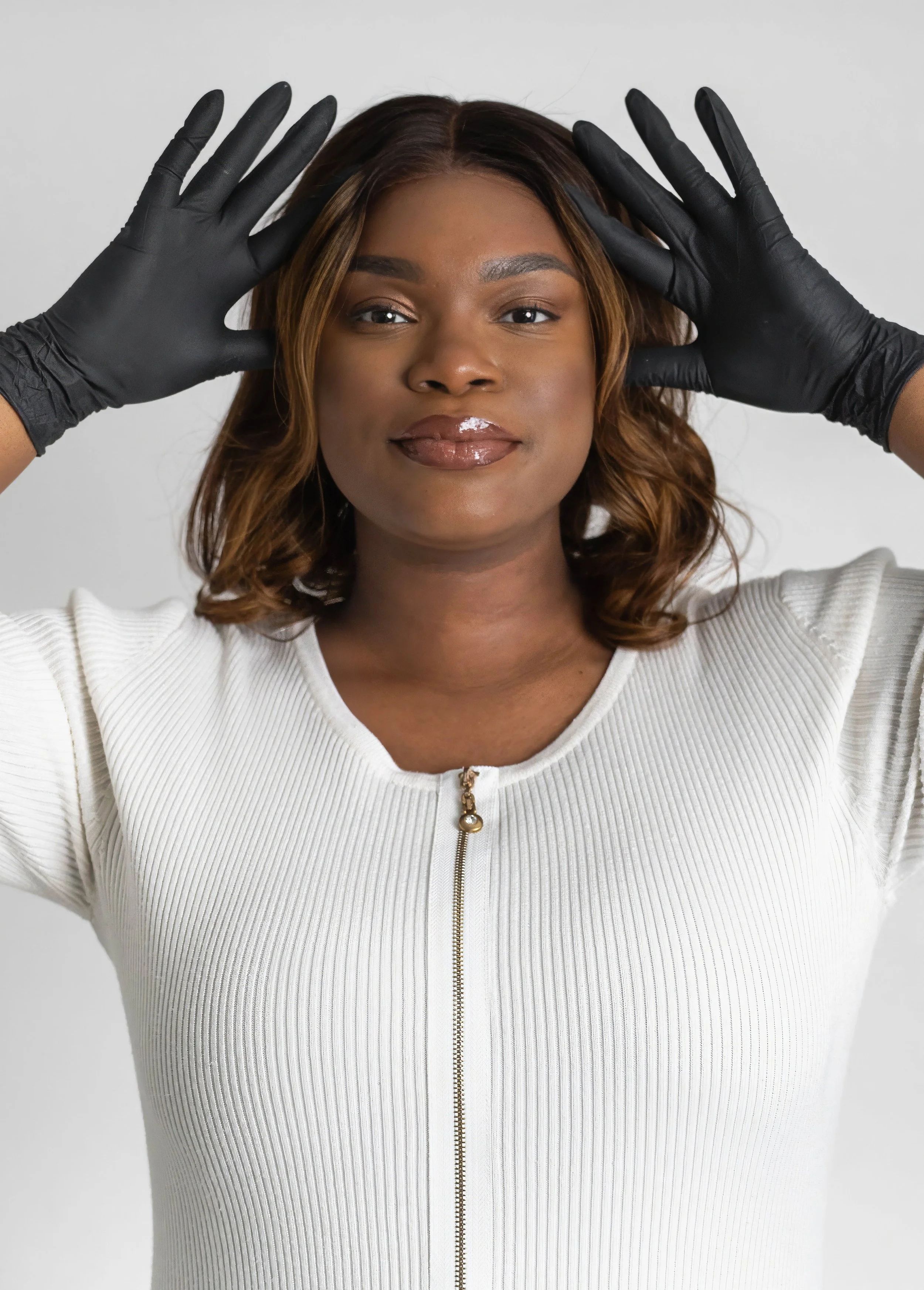
My camera and lens (keeping it simple)
I shoot with a Sony A7 III and my main lens is the Tamron 28–75mm. I don’t overcomplicate it, I don’t switch lenses constantly, and I don’t carry a million things with me.
This setup just works.
The autofocus is reliable, which means I’m not stressing during the shoot. The low light performance is really good, which matters a lot when you’re shooting indoors. And the lens gives me everything I need without stopping the flow. I can go from wider shots to more emotional close-ups just by moving a little bit.
That alone makes my shoots feel smoother and more natural.
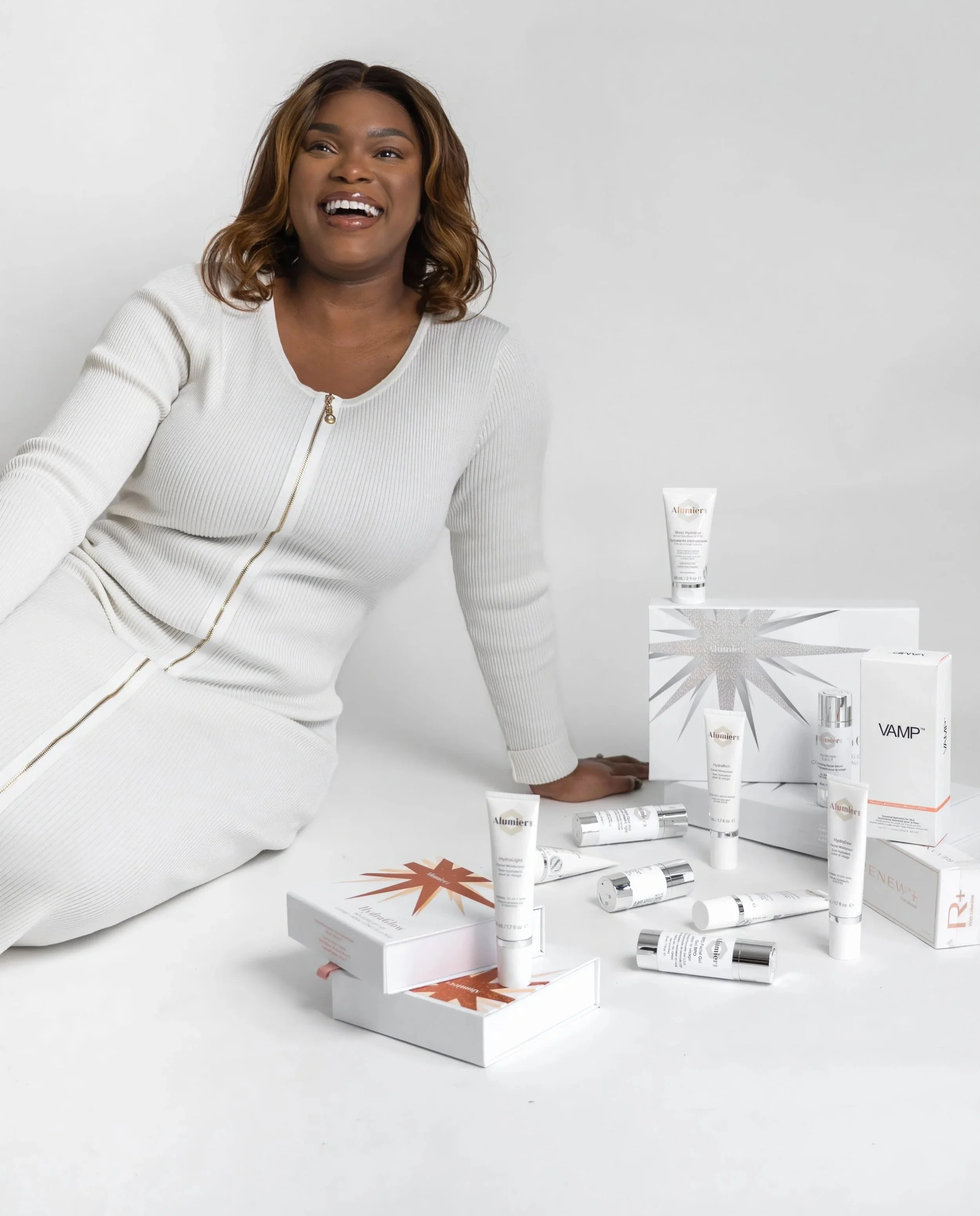
My condo “studio” setup
My studio is literally part of my living space. I use a white seamless backdrop with a simple stand I got from Amazon. It’s not expensive, but it does the job perfectly. I keep everything minimal so the focus stays on the person.
I also have a makeup chair and a couple of stools that I’ve either ordered online or found on Facebook marketplace. These small details help the space feel more like a real studio without needing a huge investment.
It’s clean, it’s simple, and it works.
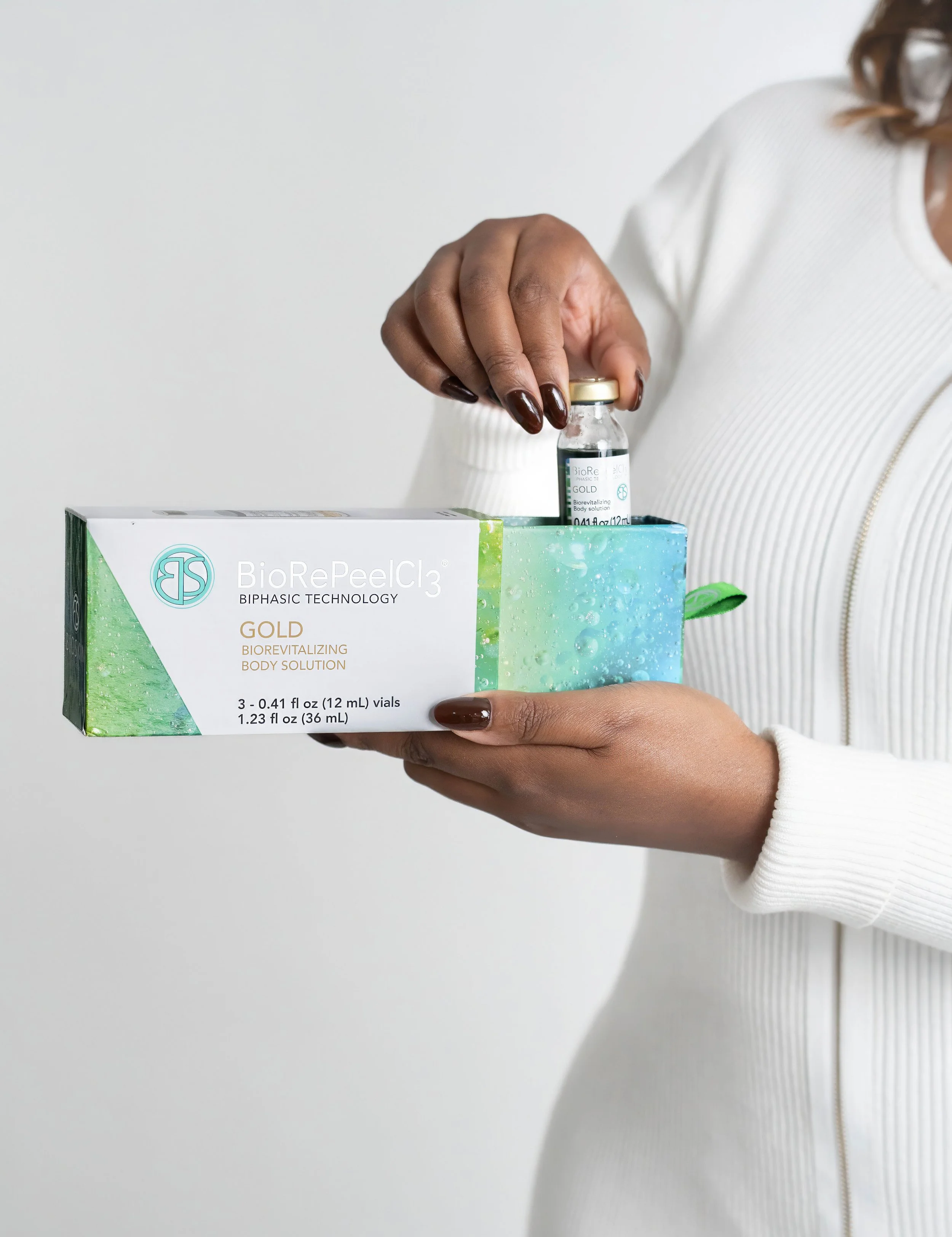
What I tell my clients before the shoot
I don’t just tell people to show up and hope for the best. I guide them before they even arrive.
For shorter sessions, I always suggest bringing layers. Something as simple as a blazer can completely change the look. With it on, it feels more structured and professional. Without it, it becomes softer and more relaxed. It gives variety without needing multiple outfits.
I also tell them to bring anything related to what they do. If they’re a business owner, bring tools, products, a laptop, something that actually represents them. That’s what makes photos feel real instead of staged.
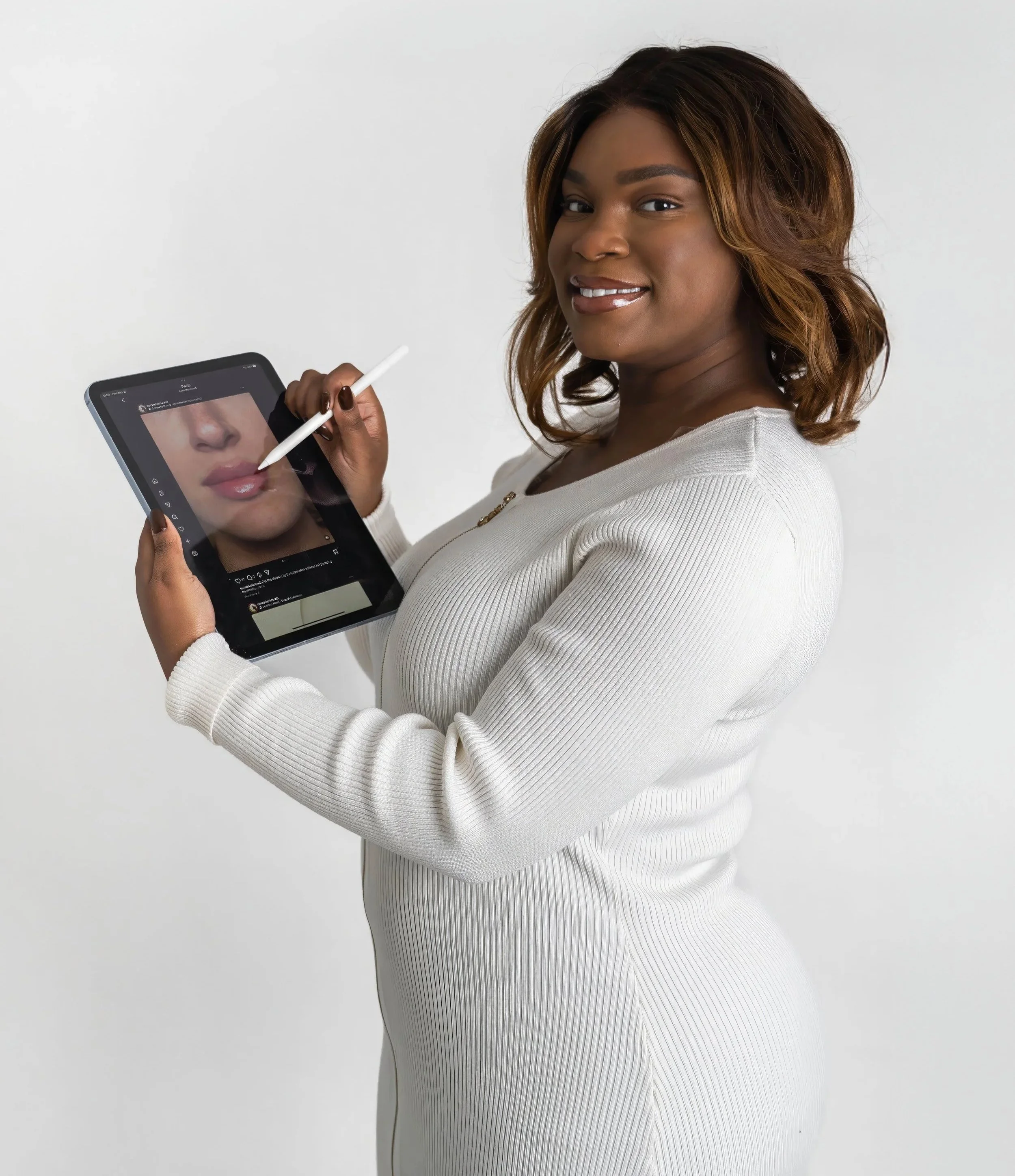
During the shoot
Shoots move fast, especially when you’re working with limited time, so I stay very present. I guide poses, I adjust small details, I keep the energy relaxed so it doesn’t feel awkward.
Most people are not used to being in front of a camera, so my job is to make it feel easy. I also send a posing guide beforehand so they don’t come in feeling lost.
It’s not about perfect posing. It’s about creating movement and natural moments.
After the shoot (this matters more than people think)
I don’t like dragging things out. I know how it feels to wait for photos, so I keep my turnaround quick.
I usually go through the images the same day or the next day, edit right after, and deliver within a couple of days. It keeps the experience fresh for the client, and it makes everything feel more professional.
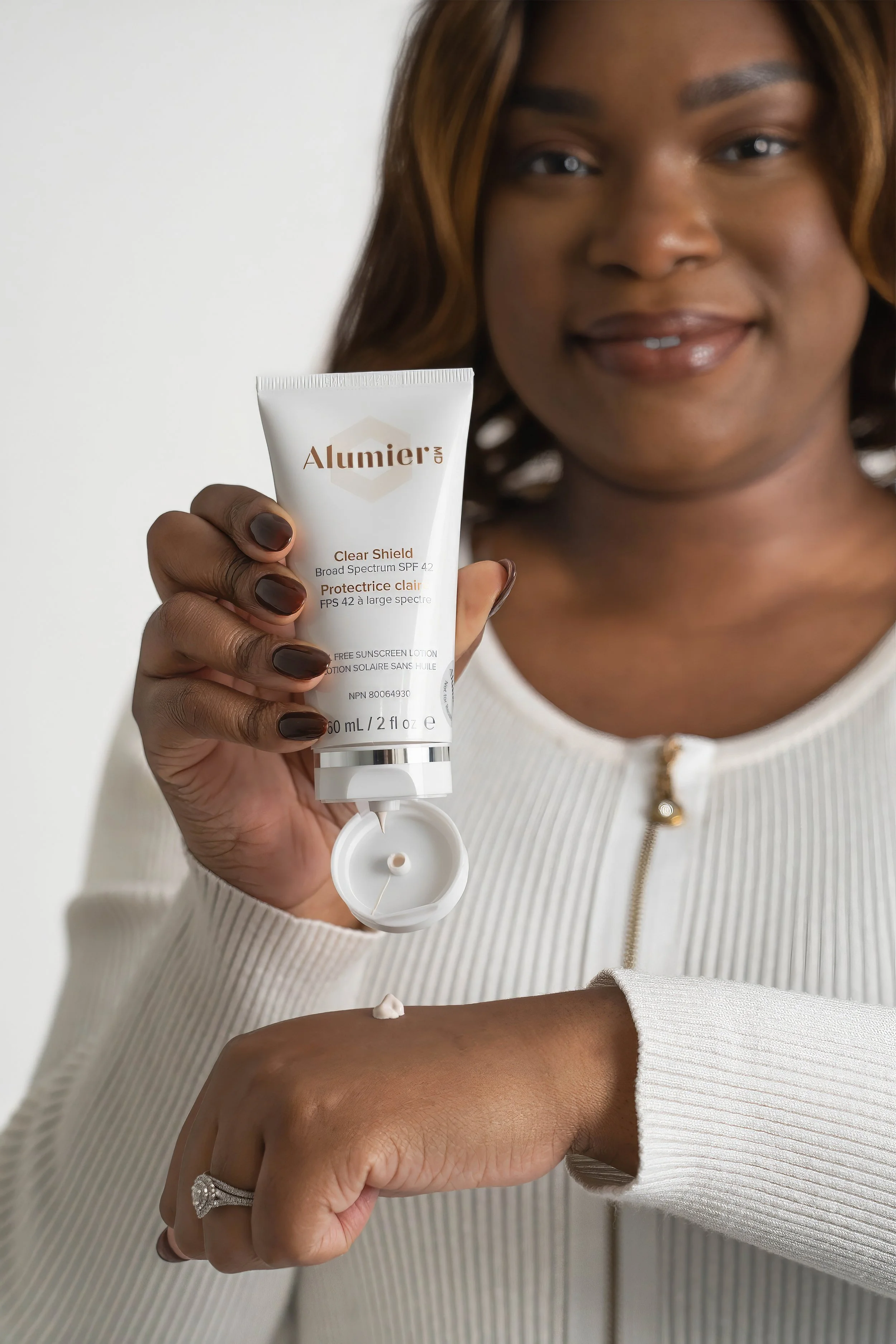
Tethering (something that changed everything for me)
I shoot tethered to my MacBook using Sony Imaging Edge, which means I can see the photos live as I shoot.
This helps me catch small issues immediately instead of fixing them later. It also lets clients see what we’re creating in real time, which builds trust and confidence during the session.
It’s a small change, but it makes a big difference.
Final thoughts
You don’t need a perfect setup to start. You don’t need a big studio or the most expensive gear.
You need to understand what you’re doing, keep things simple, and actually start.
That’s how this came together for me. And if I can build this in a condo, you can build something too.
If you’ve been thinking about booking a shoot, this is your sign
I photograph branding, portraits, and creative sessions across Toronto, Niagara, and surrounding areas, and I’m always open to traveling for the right project
You can reach me at info@laragracephotography.com
or DM me on Instagram @laragracecreativestudio
Let’s create something that actually feels like you
My Full Studio Setup (Everything I Actually Use)
This is everything I currently use in my setup. Nothing is overly complicated or crazy expensive. I built this over time, mixing things I bought and some collaborations.
Lighting & Studio Gear
Godox SL60 Video Light
https://a.co/d/0c9qIYUU
iFootage SL1 60DN Light (collaboration)
https://a.co/d/00J8en9q
iFootage Cobra 2 Stand (collaboration)
https://a.co/d/05rxR76p
Softbox Lighting Kit (Amazon)
https://a.co/d/08gkvMAG
Backdrop & Setup
White Seamless Paper Backdrop
https://a.co/d/072ajxRC
Backdrop Stand (Amazon)
https://a.co/d/00rT6POr
Light Control & Accessories
NEEWER 43” / 110cm Reflector
https://www.amazon.ca/dp/B0B3RR8G2W?ref=ppx_pop_mob_ap_share
Tripod & Support
Manfrotto Tripod
https://a.co/d/07LpTBfP
Additional Gear & Accessories
Tether Cable (for MacBook Pro + Sony Imaging Edge)
https://a.co/d/0dJhcTor
Memory Card (SD Card)
https://a.co/d/04TnmzGM
Camera Battery / Charger
https://a.co/d/08ovSBSO
K&F Concept Filter Kit (collaboration)
https://a.co/d/0gJIm5oE
Extra Studio Items
Makeup Chair (Amazon)
https://a.co/d/0fyeNqTn
Studio Stool / Seating
https://a.co/d/0aqHNvr6
My Camera Setup (Main Gear)
Even though I didn’t link these earlier, this is what I shoot with:
Sony A7 III
Tamron 28–75mm f/2.8
